
from a base in New England’s South Coast, photographing birds and wildlife since 2016
A life-long photographer, Mark Levine took up the challenge of wildlife photography after retirement from a career in software engineering and web consulting. The pursuit of adventure and photo opportunities has taken him from home bases in New York City and Little Compton to explore sites around the world, including Mexico, Ecuador, China, and beyond. This website highlights that work.
gear, gear, gear
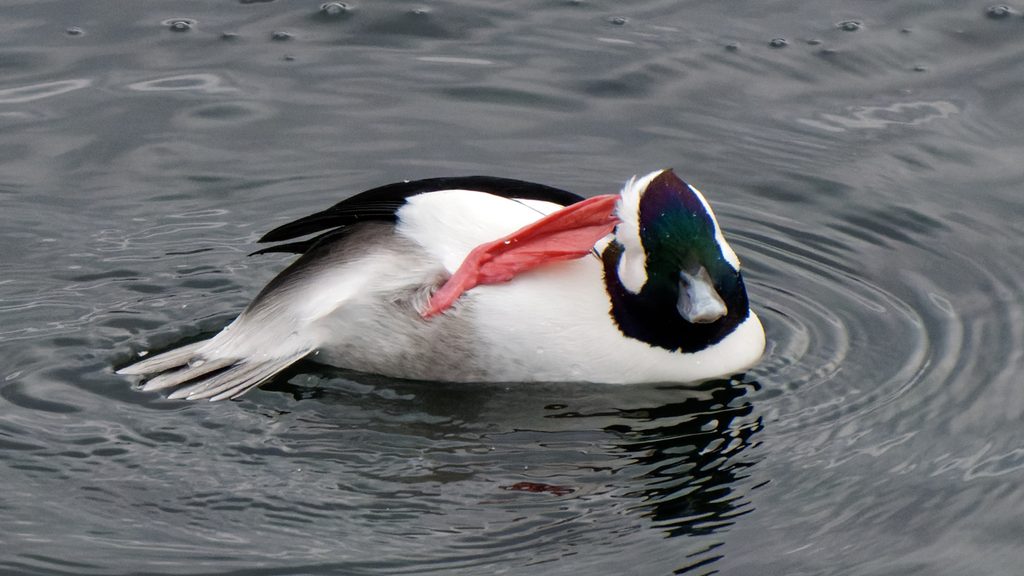
When I began to concentrate on wildlife photography, my walk-around camera was a tried and true Sony ILCE-6000 with a “kit” E70-210 zoom providing a very portable kit but very little reach for wildlife. I could really only photograph near birds, such as this male Bufflehead at the Reservoir in Central Park scratching an itch.
I suffered from a growing itch as well — Gear Acquisition Syndrome — with a touch of Longer Reach Envy. Eventually I upgraded the camera to a Sony ILCE-6300 and my lens to the Sony FE70-300. By upgrading, I got better low light performance and better autofocus, such as you get when you replace older models with newer cameras. I noticed these improvements in my results and I was very happy with the a6300 for a long time, until I started to get a weird problem: thumb fatigue. After an outing, I began to notice discomfort in my right thumb which takes on an inordinate amount of work with the control layouts of Sony’s smaller APS-C cameras.
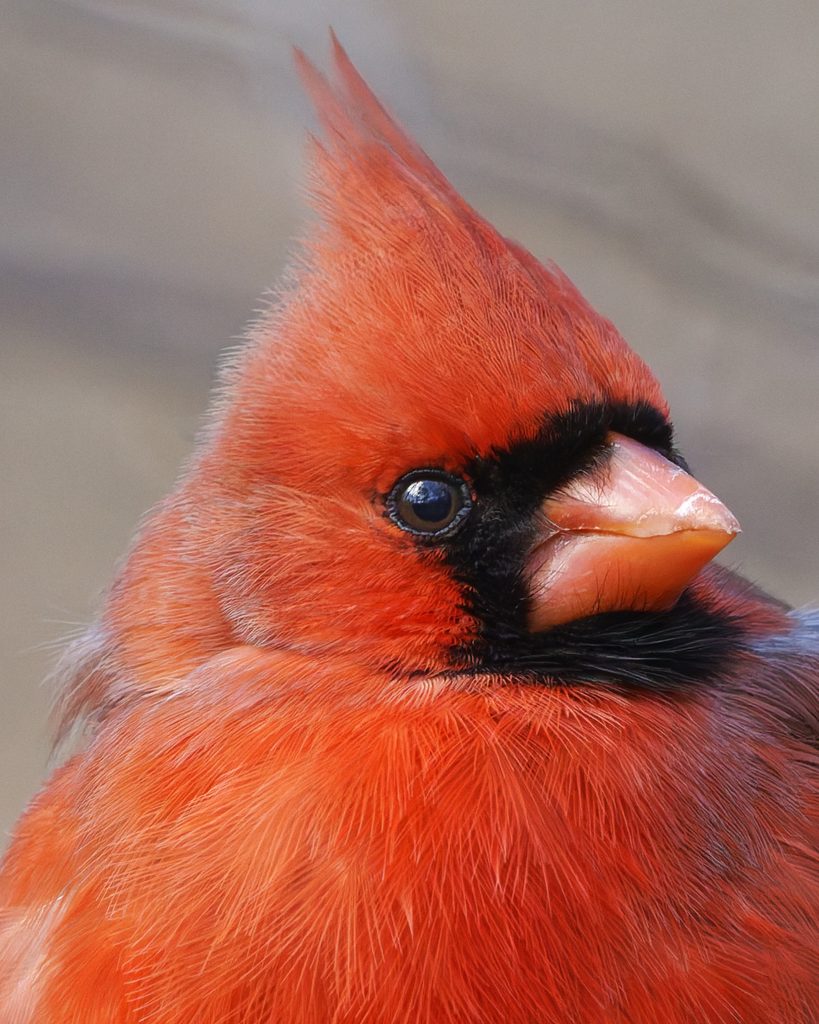
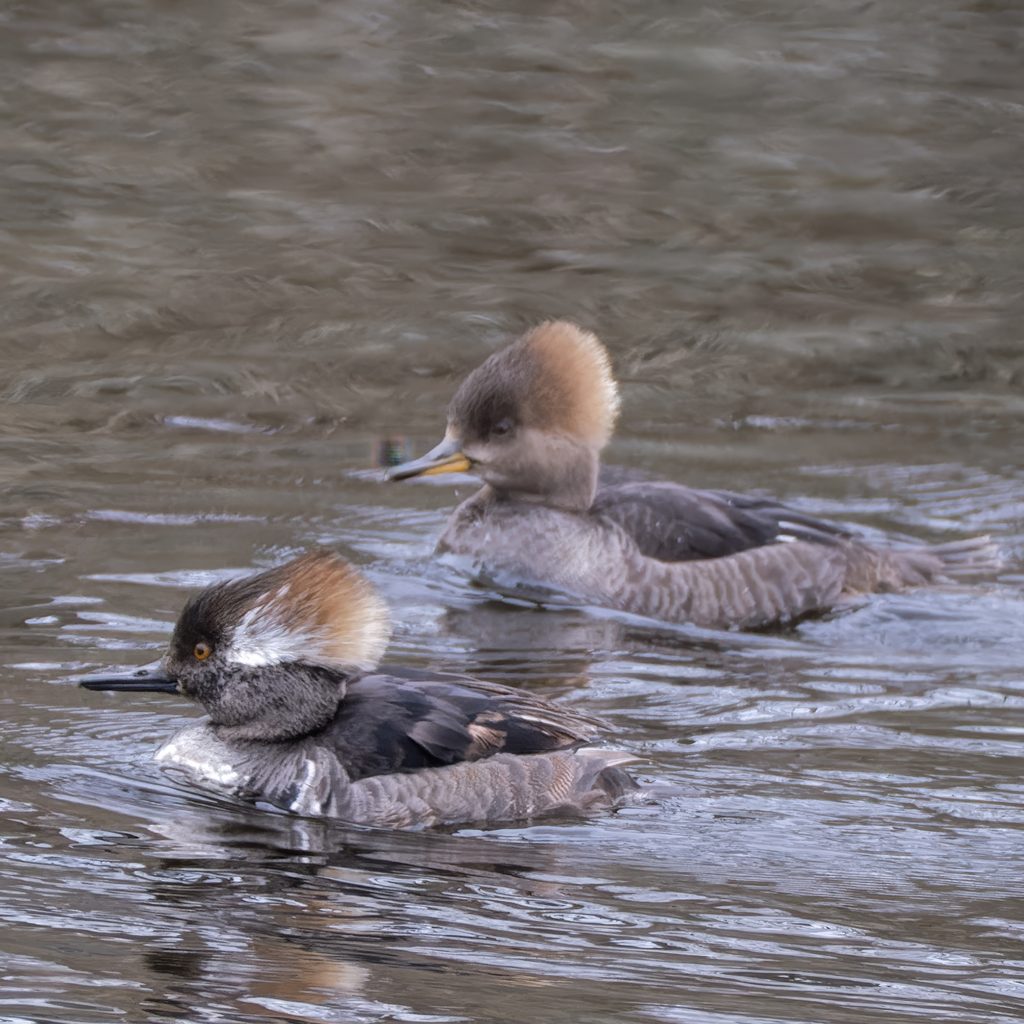
Addict’s find justification for their actions, so I decided that my camera manufacturer wasn’t committed to the crop sensor format that I preferred. With that and the thumb discomfort, I made the leap to Fuji-land, with a Fujifilm X-S10 and Fujinon XF100-400, allowing me to reach wild birds far more successfully.
At that point, it was reach, reach, reach. Wildlife photographers can’t get enough of it, so I upgraded to the more massive Fujinon XF150-600. With the 1.5X “crop factor” of my APS-C sensor, this lens gave me the effective reach of a 900mm telephoto. I could no longer complain when birds were out of range!
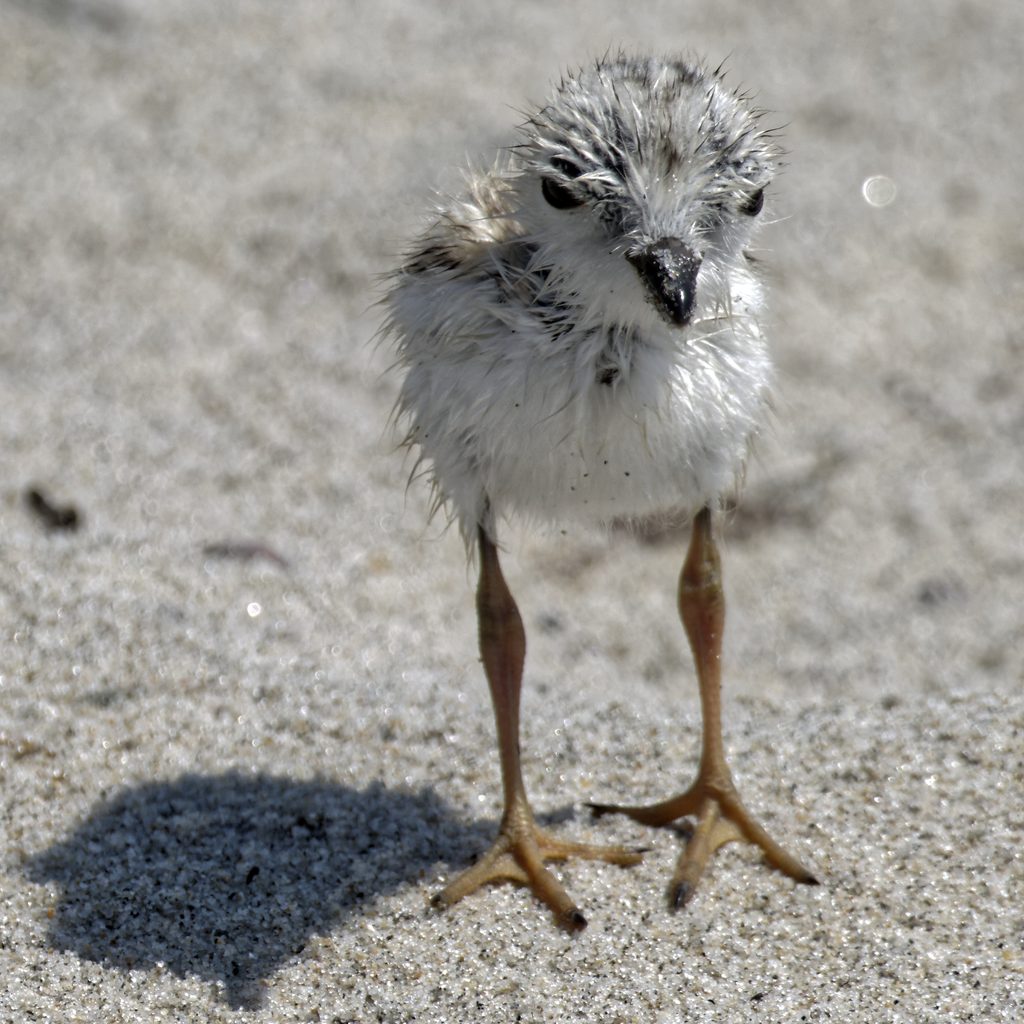
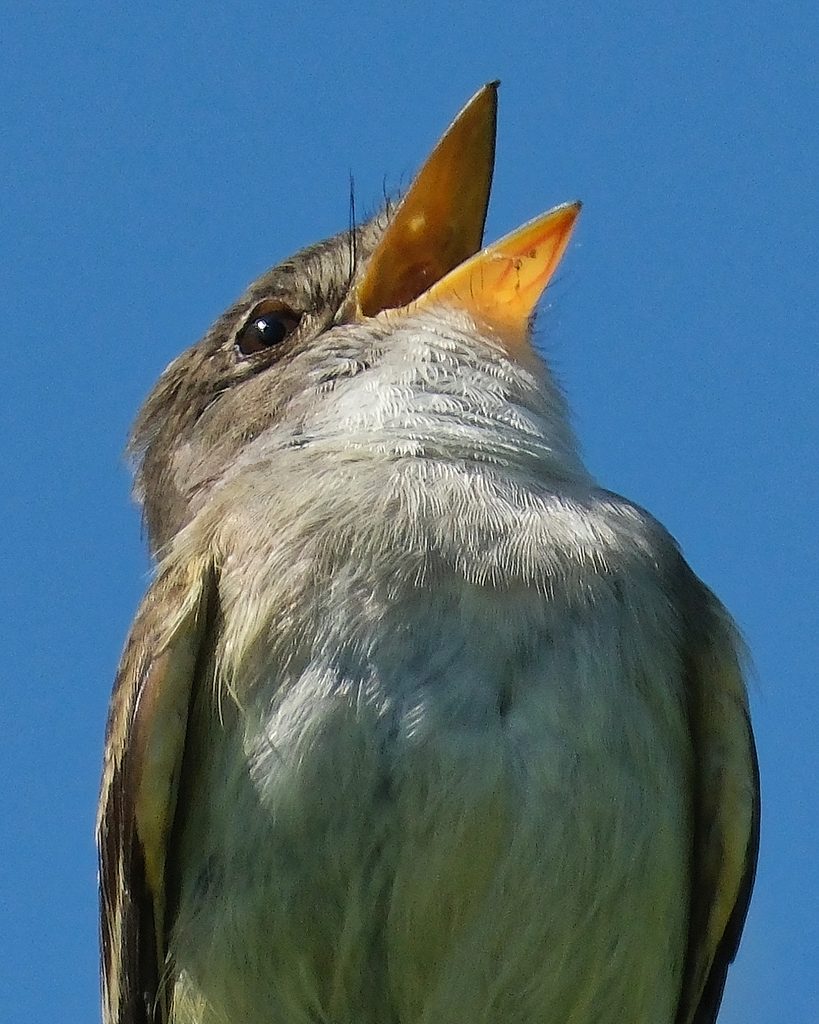
One last upgrade was needed to complete what I consider to be the perfect compromise of weight/portability with image quality, replacing my trusty X-S10 with the more capable X-T5. At the time, the X-T5 was the top-of-the-line Fuji camera and has a magnificant design blending manual controls with automatic ones. In my opinion, it is a photographer’s camera, especially for someone who once shot film with Pentax gear. If I upgrade again, it will be to get a “faster” lens because many shots, especially in the woods, are quite noisy.
